Ripplewise

Conditions

Where shockwave helps, area by area

A guide to the muscle, tendon, ligament and joint-related pain that shockwave is used for, from the neck to the heel — and an invitation to find out if it could help.

One idea, many places in the body

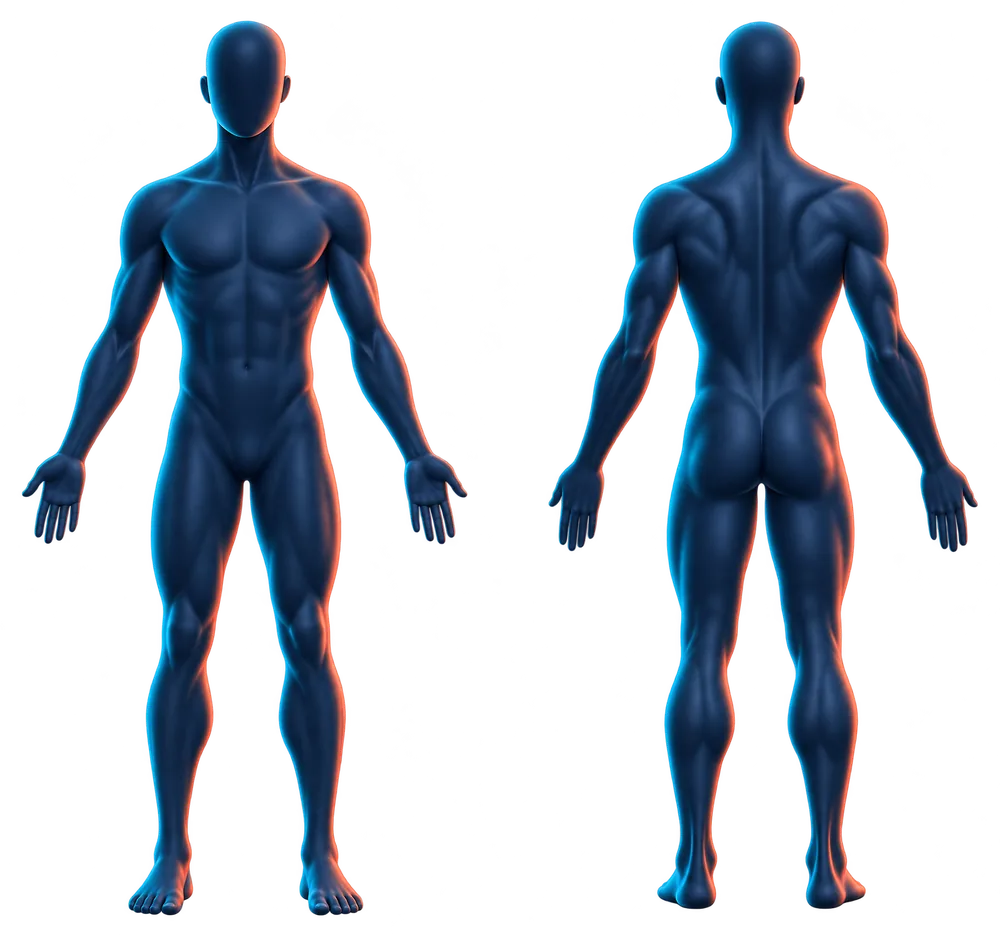
Shockwave isn't just for one or two conditions. Providers use it for a wide range of non-surgical muscle, tendon, ligament and joint-related pain throughout the body. The idea is the same everywhere: overuse, old injuries and the years can leave tissue stiff, thickened and sore, and slow to heal on its own. Shockwave delivers a mechanical nudge to the painful spot and the connective tissue around it, and in lab and animal studies it has been linked to new blood-vessel signals, growth factors and better tendon gliding. (Wuerfel et al., Biomedicines 2022 (opens in new tab)) People hope for relief and a return to the activities they love — and a visit is the way to find out if it could help.

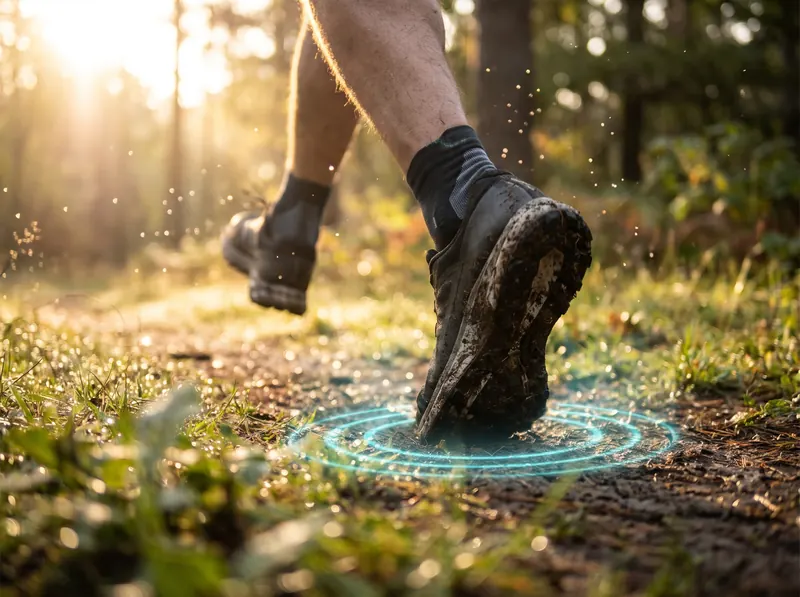
Trail runner's shoe landing on a sunlit path

Feet & heel

What it is

The plantar fascia is a thick band of tissue along the bottom of the foot. When it gets irritated from overuse, it can cause that classic sharp heel pain with the first steps in the morning.

How shockwave helps

The pulses are aimed at the tender spot under the heel and along the arch. Researchers think the mechanical energy nudges a stubborn, slow-healing area back toward repair, and it can calm pain signals too. People often hope for easier first steps and a more comfortable return to walking and running.

Your plan

Your provider sets a plan made for you, often alongside exercises.

What it feels like

A fast tapping under the heel. It can feel intense right over the sore spot, and the energy can be turned down. Many people walk out and get on with their day.

What studies found

Plantar fasciitis (heel pain)

Diabetic neuropathy and diabetic foot ulcers

These are research areas, shared to show how far the science has come. They are not the focus of this guide. If you have one of these conditions, talk with the physician managing it.

Want to find out if shockwave could help here? A trained provider can look at the area and talk it through at a visit. Here's how to start that conversation.

Runner's lower leg mid-stride on a waterfront path

Ankle & Achilles

What it is

The Achilles tendon links the calf to the heel. Overuse can leave it thickened, stiff and sore, either in the middle of the tendon or where it attaches to the heel.

How shockwave helps

The applicator is moved along the painful part of the tendon and the tissue around it. Shockwave is usually paired with a calf-strengthening program. People often hope to get back to walking, running or sport with less tendon pain.

Your plan

Your provider sets a plan made for you, often alongside exercises.

What it feels like

A strong, rhythmic tapping along the back of the ankle. The provider may gently move the foot during treatment.

What studies found

Achilles tendinopathy

Posterior tibial calcific tendinopathy

Want to find out if shockwave could help here? A trained provider can look at the area and talk it through at a visit. Here's how to start that conversation.

Highlighted: shins, front view

Shins: shin splints (medial tibial stress syndrome)

What it is

Shin splints cause aching along the inner edge of the shinbone, often in runners and people who suddenly ramp up their training.

How shockwave helps

Pulses are spread along the tender strip of the shin, usually alongside a home exercise program and smarter training load. People often hope to get back to running or training with more comfortable shins.

Your plan

Your provider sets a plan made for you, often alongside exercises.

What it feels like

A light-to-moderate tapping along the shin. It is usually done without numbing.

What studies found

Want to find out if shockwave could help here? A trained provider can look at the area and talk it through at a visit. Here's how to start that conversation.

Hiker stepping up onto a granite ledge above a valley

Knee

What it is

Jumper's knee (patellar tendinopathy) is pain in the tendon just below the kneecap. Knee osteoarthritis is wear-related joint pain and stiffness.

How shockwave helps

Shockwave is aimed at the tendon below the kneecap, or at the tender tissue around an arthritic knee, and it is usually paired with exercise. People often hope for easier stairs, walks and sport.

Illustration: shockwave reaches the tendon below the kneecapIllustration: shockwave reaches the tendon below the kneecap
Illustration: shockwave reaches the tendon below the kneecap.
Illustration: shockwave reaches the kneeIllustration: shockwave reaches the knee
Illustration: shockwave reaches the knee.

Your plan

Your provider sets a plan made for you, often alongside exercises.

What it feels like

Tapping around the front of the knee. Over the tendon itself it can feel sharp for a moment.

What studies found

Knee osteoarthritis

Want to find out if shockwave could help here? A trained provider can look at the area and talk it through at a visit. Here's how to start that conversation.

Runner silhouetted on a coastal ridge at sunset

Hip, pelvis & thigh

What it is

Greater trochanteric pain syndrome is pain on the outside of the hip, often from irritated gluteal tendons. High hamstring tendinopathy is a deep ache where the hamstring attaches at the sit bone.

How shockwave helps

Pulses are applied over the tender tendon attachment and the surrounding muscle while the person lies on their side or front. People often hope to sit, walk and train more comfortably.

Your plan

Your provider sets a plan made for you, often alongside exercises.

What it feels like

Deep, thudding taps over the side of the hip or the sit bone. It's usually very tolerable over muscle and stronger right over the tendon.

What studies found

Greater trochanteric pain (outer hip)

Femoral head necrosis

These are research areas, shared to show how far the science has come. They are not the focus of this guide. If you have one of these conditions, talk with the physician managing it.

Heterotopic ossification

Want to find out if shockwave could help here? A trained provider can look at the area and talk it through at a visit. Here's how to start that conversation.

Highlighted: low back, back view

Low back & spine

What it is

Chronic low back pain can involve tight, overworked muscles, the discs that cushion the vertebrae, the small facet joints, or the sacroiliac joints. People also come with sciatica — leg pain related to the low back — and with other spine conditions such as spondylolysis.

How shockwave helps

The applicator is used over the painful area of the low back, the nearby joints, or along a painful leg pattern, usually as part of a plan that also includes movement or exercise. People often hope to move, sit and sleep more comfortably.

Illustration: shockwave reaches the low back.Illustration: shockwave reaches the low back.
Illustration: shockwave reaches the low back.

Your plan

Your provider sets a plan made for you, often alongside exercises.

What it feels like

A strong, drumming massage-like sensation over the knot. Many people describe it as a 'good hurt' that eases as the session goes on.

What studies found

Chronic low back pain

Disc herniation, degeneration and discopathy

Disc issues (animal research)

Animal research.

Sciatica and radicular pain after back surgery

Spondylolysis

  • A 16-year-old gymnast with stalled healing of stress fractures in both sides of a low-back vertebra (spondylolysis) reached full bone union after shockwave combined with a platelet-rich plasma injection, and trained without back pain afterward. (Ishizuka et al., Cureus 2026 (opens in new tab))

Want to find out if shockwave could help here? A trained provider can look at the area and talk it through at a visit. Here's how to start that conversation.

Highlighted: neck & upper back, back view

Neck, head & jaw

What it is

The neck and upper back work hard in desk work, sport and daily posture. Tender muscle knots, neck-joint arthritis, headaches that start in the neck, and jaw-muscle pain can all show up in this region.

How shockwave helps

Pulses are applied to the painful muscle, joint or headache source, usually as part of a plan that also includes stretching or exercise. People often hope for easier desk days and freer head, jaw and shoulder movement.

Your plan

Your provider sets a plan made for you, often alongside exercises.

What it feels like

A quick, rhythmic tapping across the top of the shoulders. Lower energy levels are used near the neck.

What studies found

Neck pain

Upper trapezius trigger points

“With myofascial pain syndrome, pressing on trigger points (knots) in your muscle causes localized or referred pain.”

Cleveland Clinic · Myofascial Pain Syndrome (opens in new tab)

“Trigger points are painful “knots” in your muscles that can be very sensitive to touch/pressure. They may form after acute trauma or by repetitive micro-trauma, leading to stress on muscle fibers. It causes the muscle fibers to be stuck in a contracted state.”

Cleveland Clinic · Trigger Point Injections (opens in new tab)

Cervical spondylosis (neck arthritis)

Cervicogenic headache

TMJ disorder (jaw muscle pain)

Postherpetic neuralgia

Want to find out if shockwave could help here? A trained provider can look at the area and talk it through at a visit. Here's how to start that conversation.

Climber reaching overhead on a sunlit rock face

Shoulder

What it is

In calcific tendinitis, calcium deposits form inside a rotator cuff tendon and can make lifting the arm very painful. Rotator cuff tendinopathy is irritation of those tendons without calcium.

How shockwave helps

The pulses are aimed at the calcium deposit or the irritated tendon. Higher-energy treatment appears to help break up deposits. People often hope to reach, lift and sleep on that side more comfortably.

Your plan

Your provider sets a plan made for you, often alongside exercises.

What it feels like

Higher-energy shoulder treatment can be quite intense for a few minutes. Soreness for a day or two afterward is common.

What studies found

Calcific shoulder conditions

Non-calcific shoulder conditions

Frozen shoulder

Want to find out if shockwave could help here? A trained provider can look at the area and talk it through at a visit. Here's how to start that conversation.

Pickleball player mid-swing on an outdoor court

Elbow

What it is

Tennis elbow is pain on the outside of the elbow from the tendons that extend the wrist.

How shockwave helps

Pulses are aimed at the tender tendon attachment and the forearm muscles around it. People often hope to grip, lift and play with a more comfortable elbow.

Your plan

Your provider sets a plan made for you, often alongside exercises.

What it feels like

Sharp, quick taps over the bony point of the elbow. Most people find it very manageable.

What studies found

Tennis elbow

Want to find out if shockwave could help here? A trained provider can look at the area and talk it through at a visit. Here's how to start that conversation.

Highlighted: wrist & hand, front view

Wrist & hand

What it is

Trigger finger is when a finger catches or locks as it bends, due to a tight tendon sheath. The wrist and hand can also ache from overused tendons.

How shockwave helps

Pulses are aimed at the tight tendon sheath in the palm or the sore tendons around the wrist. People often hope for smoother gripping, typing and everyday hand use.

Your plan

Your provider sets a plan made for you, often alongside exercises.

What it feels like

Small, light taps. The hand is sensitive, so energy is usually kept low.

What studies found

Trigger finger

Kienböck's disease

These are research areas, shared to show how far the science has come. They are not the focus of this guide. If you have one of these conditions, talk with the physician managing it.

Want to find out if shockwave could help here? A trained provider can look at the area and talk it through at a visit. Here's how to start that conversation.

More conditions

Shockwave is also used for other non-surgical muscle, nerve, joint and tissue problems. Here is what the studies found in those areas.

Post-stroke spasticity

Multiple sclerosis spasticity

These are research areas, shared to show how far the science has come. They are not the focus of this guide. If you have one of these conditions, talk with the physician managing it.

A note before treatment. At the visit, the provider will determine if shockwave therapy is a good fit for you. Here's what to expect.

What major medical centers and doctors say

In their own words

“It's a safe and effective treatment. It's a noninvasive alternative to injections as well as surgery. There's an expanding clinical evidence base supporting its use.”

Joshua M. Romero, M.D., physiatrist and sports medicine specialist, Mayo Clinic Sports Medicine Center (Rochester, MN) · Mayo Clinic · October 10, 2025 · Source (opens in new tab)

“These treatments can lead to pain relief and augment tissue remodeling in the treatment area. They are noninvasive, and there's minimal to no activity restrictions required after the procedure,”

Joshua M. Romero, M.D., Mayo Clinic · Mayo Clinic · October 10, 2025 · Source (opens in new tab)

“Extracorporeal shockwave therapy is a noninvasive treatment that uses sound waves to reduce pain and help heal injured tissue.”

UCLA Health (institutional treatment page) · UCLA Health · undated page, live as of November 15, 2026 · Source (opens in new tab)

“The sound waves create energy inside the tissue, triggering a repairing response that can reduce pain and lead to healing.”

The Ohio State University Wexner Medical Center (institutional treatment page) · Ohio State Wexner Medical Center · undated page, live as of November 15, 2026 · Source (opens in new tab)

“Shockwave therapy delivers physical/mechanical pulses that travel through the tissue and help break down scar tissue and promote healing.”

Johns Hopkins Physical Medicine and Rehabilitation — Back and Neck Pain Rehabilitation page (institutional) · Johns Hopkins Medicine · undated page, live as of November 15, 2026 · Source (opens in new tab)

“SWT is an intervention that stimulates the body's natural healing process. Additionally, SWT has been shown to have a direct effect on local nerve endings resulting in a decrease in pain.”

Cleveland Clinic Canada (institutional service page) · Cleveland Clinic Canada · undated page, live as of November 15, 2026 · Source (opens in new tab)

Quoted from public pages; these organizations and speakers are not affiliated with Ripplewise.

Ready for the next step?

Ask your provider about shockwave therapy

A trained shockwave provider can examine the area, talk through what studies have found, and help find out whether shockwave could help.

What to ask your provider

  • What's my diagnosis?
  • Is shockwave a good fit for my condition, and what does the research say about it?
  • What would my plan look like, and what does it cost?
  • What exercises should I do alongside it?